
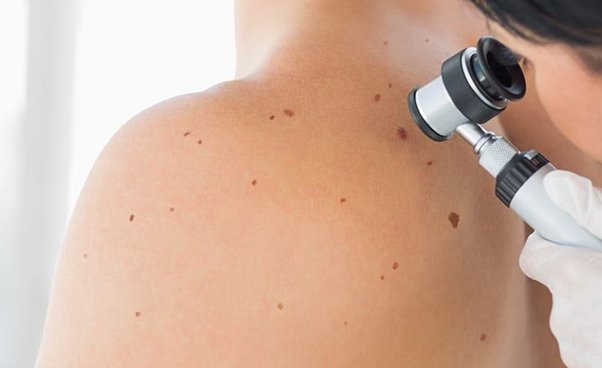
Full Body Skin Check : Head down to toe, the skin, scalp and nails get examined fully, so that any unusual mole, spot or growth can be caught before turning into something more serious, like skin cancer, and this whole process, in simple words, is what gets called a full body skin check. This process, honestly, is not complicated at all, no pain is involved, and the main idea behind doing it is to catch problems while they are still small and treatment is still easy. Most of the time skin cancer starts as just a tiny change, in color, in shape, or in texture, and because of this, such checks carry a lot of importance for skin health as years go by.
What Happens During a Full Body Skin Check
In this kind of examination, the skin gets looked at from every possible angle, even the parts that sunlight rarely reaches, such as scalp, soles of feet, spaces between toes, and the back as well. Either a trained eye does the work, or sometimes a special imaging device gets used, for finding moles or marks that look different compared to the rest, something many professionals like to call the “ugly duckling” sign. At times, measurements get taken, photos get clicked, or dermatoscopy tools get involved too, mainly to keep a record of any spot that feels worth watching as time passes. Full Body Skin Check : Mostly, this whole thing does not take too long, somewhere between fifteen and thirty minutes is normal, and pain is not something to worry about at any stage. Wearing loose, comfortable clothes for such an appointment helps a lot, since this way every part of the skin can get checked without much trouble.
Why Is a Full Body Skin Check Important
Around the world, skin cancer stands as one of the most common cancers, and quite a lot of these cases trace back to sun exposure that stayed unprotected for a long stretch of years. Full Body Skin Check : Once detection happens early, treatment outcomes tend to improve by a noticeable margin, and this exact reason is why doctors keep pushing for regular skin monitoring, more so for people who belong to higher risk groups. Some of the reasons why this kind of check really matters: Mole changes get caught, ones that are otherwise hard to notice through just a mirror. Skin cancer gets found earlier, while treatment still stays easier. Full Body Skin Check : A record of existing moles and marks gets built, which becomes handy later for comparison. Anxiety goes down once a spot gets confirmed as harmless
How Often Should a Full Body Skin Check Be Done
How frequently a person should go for this really comes down to their own personal risk factors, things such as skin type, family history, and how much sun exposure has happened across past years. In general terms, adults who have fair skin, a history full of sunburns, or plenty of moles, get told to go for a check once every year. For those carrying personal or family history linked with skin cancer, checks may need to happen more often, sometimes every six months even. Full Body Skin Check : For people who fall under fewer risk factors, an annual visit might not be a strict must, but still, keeping watch on the skin at home, and getting it examined the moment something feels different, remains important.
Who Needs a Full Body Skin Check
Practically anyone stands to gain something from getting their skin looked at, though certain groups get treated as bigger priority than others, groups such as:People whose skin is fair, freckled, or burns easily under sun.Those carrying a large number of moles, or moles that look somewhat atypical.Anyone with melanoma or other skin cancers running in family history.People who spent long hours outdoors across years, or used tanning beds at some point.Anyone who spotted something new, changing, or simply odd looking on their skin
What Do Specialists Look For
While going through the review, focus stays on size, shape, colour, and border of moles and spots mostly. Warning signs, in general, include asymmetry, edges that look irregular, colour spread unevenly, size bigger than a pencil eraser, or a spot that looks different from how it used to be earlier. Bleeding, itching, or a sore refusing to heal, these too deserve a closer look.
Is a Full Body Skin Check Painful or Uncomfortable
No, pain does not come into this at all. Mostly it stays a visual examination, and at times a small handheld tool, called dermatoscope, gets used, which does not even touch the skin in a manner that could cause discomfort. Full Body Skin Check : A few people, understandably, might feel a bit shy about undressing for such a check, but this part always gets handled with proper care and respect, keeping only the area under examination uncovered, one at a time.
Final Thoughts
Skin health, more often than not, gets ignored until something noticeable finally shows up, and this really is the reason why a full body skin check carries so much weight. It offers a fairly simple way for catching warning signs early, tracking changes as time moves forward, and feeling more at ease regarding overall skin condition. Making such a check part of regular healthcare habits can genuinely bring a difference, especially when it comes to early detection and staying well over the long run.