
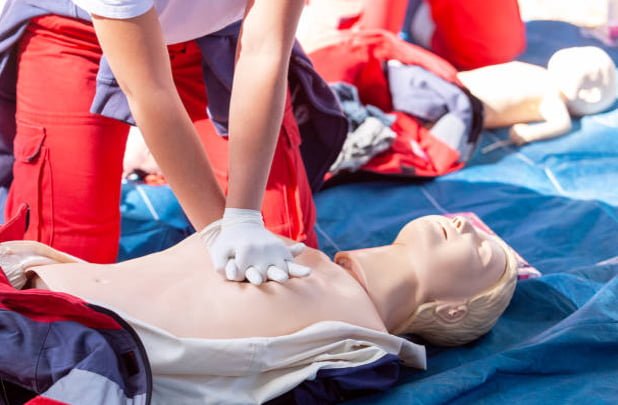
Many individuals find themselves unprepared for medical emergencies due to a lack of proper training from qualified specialists. They often underestimate the importance of comprehensive training, which significantly enhances emergency response capabilities. Residents are discovering advanced first aid courses in Sydney that boost their confidence in managing critical situations. Proper instruction from experienced instructors transforms response readiness, as life-saving skills develop through comprehensive training on complex medical scenarios. Professional certification reassures competence, emphasising that effective emergency preparedness relies on quality training rather than incomplete knowledge and guesswork.
Building Professional Confidence
Emergencies sometimes create panic when responders lack confidence regarding appropriate responses and proper procedures. Training participation occasionally builds self-assurance through knowledge and practical experience in realistic scenarios mimicking genuine emergencies. Decision-making clarity emerges when individuals understand protocols and procedures for various emergencies and medical situations. Hesitation sometimes disappears when proper training provides clear guidance and actionable steps during critical moments. Response effectiveness improves considerably when confidence supports decisive action during critical moments and medical emergencies. Bystander effectiveness occasionally increases substantially through proper training and psychological preparation for emergency situations. Professional demeanour emerges through comprehensive training and practical experience managing challenging medical and emergency scenarios. Credibility strengthens noticeably when individuals demonstrate competence and confidence during genuine emergency situations.
Gaining Advanced Knowledge
Courses occasionally provide advanced information exceeding standard first aid certification requirements and basic knowledge levels. Trauma management procedures sometimes receive detailed coverage addressing life-threatening injuries requiring specialised knowledge and techniques. Spinal injury protocols occasionally prevent secondary damage through proper handling and positioning during transport situations. Medical condition recognition sometimes improves substantially through systematic training approaches and comprehensive educational instruction. Drug interaction awareness occasionally proves critical during medication-related emergencies requiring understanding of pharmaceutical interactions. Anaphylaxis management procedures sometimes require understanding epinephrine auto-injector administration techniques and emergency allergy responses. Advanced understanding emerges through professional instruction and systematic teaching from qualified, experienced first aid instructors. Knowledge depth increases considerably through comprehensive training addressing advanced medical scenarios and complex situations.
Meeting Employment Requirements
Workplace safety regulations sometimes mandate first aid certification for specific positions and industries requiring qualifications. Childcare professionals occasionally require advanced qualifications for employment eligibility and regulatory compliance requirements. Sports facilities sometimes expect staff maintaining current first aid certifications for participant safety. Security personnel occasionally need first aid training for professional development and emergency response capabilities. Construction industry safety protocols sometimes require first aid competence among supervisory staff and site leaders. Healthcare settings occasionally require advanced first aid knowledge alongside nursing qualifications and professional certifications. Employment opportunities sometimes increase through additional certifications and professional qualifications, expanding career possibilities. Career advancement becomes possible through enhanced skills and professional qualifications demonstrating competence.
Protecting Community Members
Families sometimes depend upon prepared individuals during medical emergencies in home environments and residential settings. Children occasionally benefit from parent first aid knowledge during household accidents and injuries requiring immediate care. Elderly relatives sometimes require immediate assistance during medical episodes, potentially life-threatening, without proper intervention. Community events occasionally benefit from trained first aiders among attendees and organisers, ensuring participant safety. Workplace safety sometimes improves substantially when employees possess current first aid training and emergency knowledge. Sporting events occasionally require trained first aid responders, ensuring participant safety throughout competitions. Community protection improves considerably through prepared, trained individuals ready for emergency situations. Wellbeing increases noticeably through comprehensive emergency preparedness throughout communities.
Improving Response Efficiency
Professional training occasionally teaches efficient assessment techniques, identifying immediate priorities during emergency medical situations. Systematic approaches sometimes reduce wasted time during critical early response phases, determining appropriate interventions. Appropriate resource allocation occasionally emerges through proper training and protocol understanding during emergencies. Unnecessary procedures sometimes get eliminated through comprehensive knowledge development and professional instruction. Treatment sequences occasionally optimise outcomes through proper professional guidance and evidence-based protocols. Recovery prospects sometimes improve substantially through efficient early intervention and appropriate emergency response. Response quality improves dramatically through professional training and systematic emergency management protocols. Outcomes improve noticeably through efficient response and appropriate emergency care procedures.
Building Ongoing Confidence
Refresher training occasionally keeps skills current, addressing emerging techniques and procedures in medical care. Confidence maintenance sometimes requires periodic practice and knowledge reinforcement activities throughout professional careers. Procedure updates occasionally reflect changing medical evidence and best practices in emergency response. Muscle memory sometimes remains sharp through regular training participation and practical exercises. Professional development continues throughout careers, requiring ongoing education commitment and skill maintenance. Community protection remains consistent through trained individuals maintaining current qualifications and knowledge. Preparedness persists through commitment to ongoing training and professional development activities.
Conclusion
Advanced first aid courses in Sydney transform individuals into capable emergency responders through comprehensive professional instruction. Critical skills development empowers appropriate emergency response actions during medical situations and crises. Professional confidence emerges through structured training and practical experience managing genuine emergency scenarios. Advanced knowledge extends beyond basic first aid capabilities into specialised emergency response techniques. Employment opportunities sometimes increase through additional qualifications and professional certifications obtained. Community protection improves substantially through trained individuals maintaining current qualifications and knowledge. Response efficiency improves considerably through systematic training approaches and professional protocols. Those completing training discover transformation exceeding expectations remarkably and substantially.