
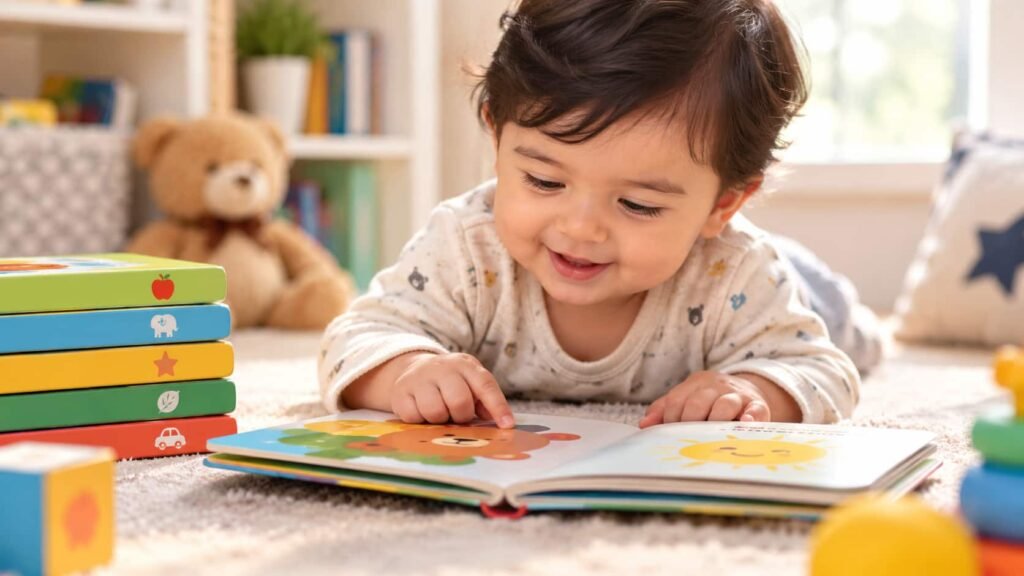
Baby Books: Welcoming a new baby into an Australian home brings an abundance of joy, sleepless nights, and endless opportunities for bonding. Among the piles of nappies, soft toys, and tiny clothing, one item holds a remarkable power to shape a child’s entire future: the humble baby book. Long before infants can comprehend the complex meaning of words, they are tuning into the rhythmic cadence of language.
Introducing books from the earliest days of life establishes a foundation for lifelong learning, cognitive development, and emotional security. Australian developmental research highlights that early literacy is not about teaching babies how to read conventional words. Instead, it is about building familiarity with sounds, visual patterns, and the warm, communicative connection between infant and caregiver. When parents and carers sit close to share a story, they are nurturing far more than vocabulary—they are fostering a profound sense of trust and shared attention.
Table of Contents
The Cognitive Magic of Reading to Infants
From the moment they are born, babies absorb the sensory environment around them. Their brains are developing at an astounding rate, forming millions of neural connections every single second. Reading aloud acts as a catalyst for this neurological growth. When adults incorporate stories into daily routines, several developmental milestones are naturally supported:Auditory Discrimination and Phonological Awareness: Babies learn to distinguish different speech sounds, tones, and pitches, which prepares them for speech production later in life.
- Visual Tracking and Focus: High-contrast images, bright primary colours, and bold shapes help infants develop ocular control and visual attention spans.
- Emotional Bonding and Regulation: The soothing cadence of a parent’s voice lowers cortisol levels, creating a safe, calm environment conducive to emotional well-being.
- Tactile Exploration: Sturdy board books, cloth books, and touch-and-feel pages allow babies to safely grab, mouth, and explore objects, connecting physical touch with storytelling.
According to guidelines from StartingBlocks.gov.au, sharing stories every day helps children realise that reading is both valuable and enjoyable, even if they do not yet understand the vocabulary.
Choosing the Right Books for Tiny Hands
Selecting appropriate literature for babies requires understanding their physical and cognitive capabilities at different stages of growth. Traditional paper pages can easily tear and pose safety hazards for infants who explore the world using their mouths. Consequently, durable formats are essential. Parents often look for versatile collections that grow alongside their child, such as a nursery rhymes book. Nursery rhymes offer a musical cadence and repetitive structure that babies naturally gravitate towards. The rhythm and rhyme patterns help infants anticipate sounds, strengthening memory and cognitive processing.
Furthermore, visual engagement matters immensely. Babies prefer books featuring large, uncluttered images, human faces, and familiar animals. As outlined by resources like the YouTube Read Aloud Demonstration, expressive reading and animated storytelling capture an infant’s imagination and encourage active listening.
Integrating Reading into Everyday Australian Routines
Busy family schedules can sometimes make adding new tasks feel daunting. However, integrating literacy into everyday life does not require setting aside rigid, uninterrupted hours. Instead, families can weave storytelling seamlessly into existing habits. Bedtime and Naptime Wind-Downs: Pairing a gentle story with sleep routines signals to the baby that it is time to relax and rest.
- Nappy Change Distractions: Keeping a small basket of board books near the change table transforms a routine chore into an engaging bonding moment.
- On-the-Go Entertainment: Stashing compact board books in the pram or nappy bag ensures that waiting rooms, car trips, or café outings become opportunities for language development. Local Library Engagement: Participating in community programs, such as local council storytime sessions, helps families discover new titles while socialising babies in welcoming environments.
Conclusion: A Lifelong Gift (Baby Books)
Investing time in reading with an infant yields returns that last a lifetime. By surrounding babies with books, responding to their vocalisation cues, and sharing joyful moments of song and rhyme, parents unlock doors to imagination and academic success. Every page turned together is a step toward a brighter, more articulate, and deeply connected future.