
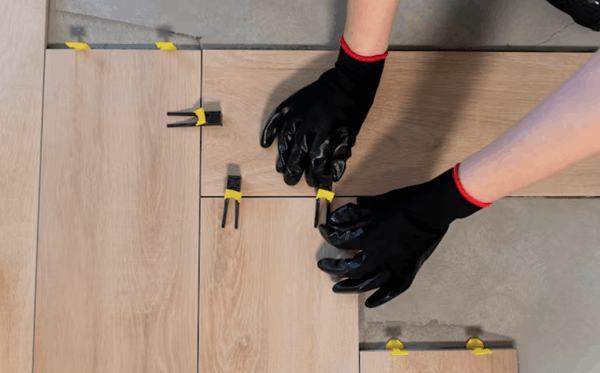
Flawless Hardwood Floor Transformation : Hardwood flooring remains one of the most coveted features in residential design, offering a blend of timeless elegance and long-term durability. However, the success of such an investment depends on careful planning and an understanding of the technical requirements involved.
Before you begin tearing up old carpets, it is vital to evaluate several key factors to ensure your new surfaces stand the test of time.
1. Selecting the Right Wood Species and Grade
The variety of wood you choose dictates both the appearance and the resilience of your floors. Oak, maple, and cherry are popular choices, each offering different grain patterns and hardness levels.
If your home experiences high foot traffic or has active pets, opting for a harder wood species is essential to prevent premature dents and scratches. Additionally, consider the grade of the wood, which ranges from clear, uniform boards to rustic selections with natural knots and character marks.
2. Planning Your Professional Hardwood Floor Installation
The foundation of a beautiful room starts with a precise hardwood floor installation process. This stage requires a thorough assessment of the subfloor to ensure it is level, dry, and structurally sound.
Hardwood Floor Transformation : Professionals must also consider the layout, deciding whether the planks should run parallel to the longest wall or diagonally to create a sense of space.
Proper acclimation of the wood to your home’s humidity levels before the actual fitting is a non-negotiable step to prevent future warping or gapping.
3. Evaluating Solid versus Engineered Hardwood
Homeowners must decide between solid planks and engineered wood. Solid hardwood is a single piece of timber, ideal for above-ground rooms where moisture is low.
Engineered hardwood, consisting of a real wood veneer over layers of plywood, offers superior stability in environments with fluctuating temperatures or higher humidity. Hardwood Floor Transformation.
Understanding the specific climate and moisture profile of your living space will guide you toward the construction type that offers the best longevity.
4. Considering Future Maintenance and Hardwood Floor Refinishing
One of the greatest advantages of timber flooring is its ability to be restored rather than replaced. When choosing your floor, think about the long-term possibility of hardwood floor refinishing to keep the surfaces looking brand new.
Solid wood can typically be sanded and refinished multiple times over many decades, allowing you to change the stain color or remove deep scratches as your style evolves. Ensuring your chosen product has a thick enough wear layer for future sanding is a smart financial move.
5. Choosing the Perfect Finish and Sheen
The finish is the protective layer that guards the wood against spills and daily wear. You can choose between oil-based finishes for a classic look or water-based polyurethanes for a faster drying time and lower odor.
Furthermore, the sheen level—ranging from matte and satin to high-gloss drastically affects how dust and scratches appear. A satin finish is often recommended for busy households as it hides imperfections better than a reflective, high-gloss surface.
6. Budgeting for Material and Labor Costs
A successful project requires a realistic financial plan that covers more than just the cost of the planks. You must account for delivery fees, underlayment materials, transitions, and the removal of existing flooring.
It is also wise to set aside a small contingency fund for unexpected subfloor repairs that may be discovered once the old floor is removed. Investing in quality materials and skilled labor initially will save you significant costs on repairs and replacements in the future.