
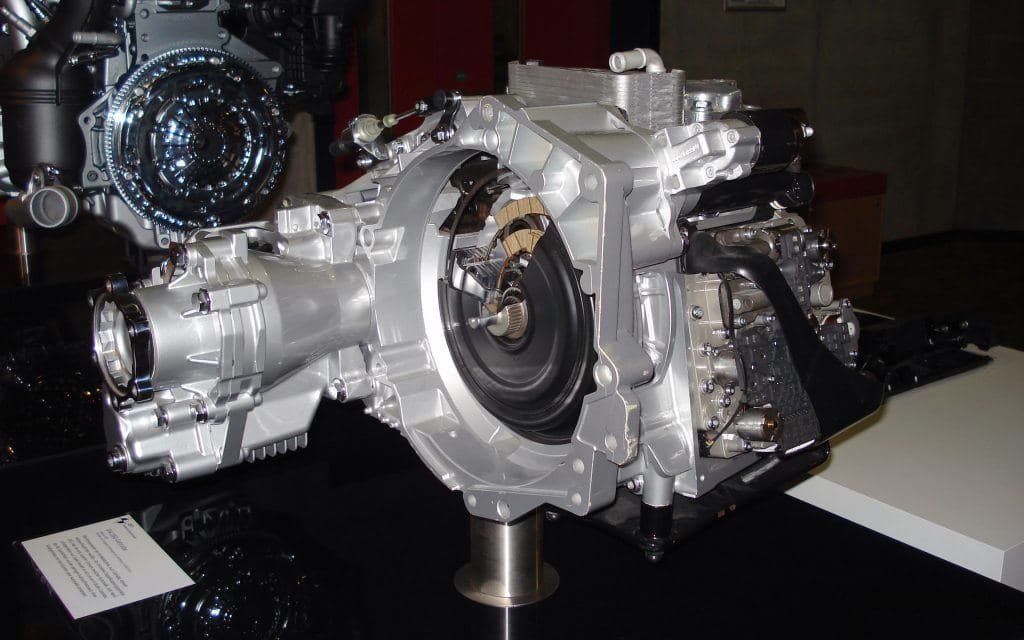
GM Vehicles: The transmission is among the most mechanically complex and expensive components in any vehicle. When it fails or reaches the end of its service life, the replacement decision carries significant financial implications and affects the long-term reliability of the vehicle. For owners of GM vehicles, understanding the available replacement options, their relative costs, and the trade-offs each involves helps make a decision that fits both budget and expectations.
Signs of Transmission Problems
Early recognition of transmission issues allows for intervention before minor problems become catastrophic failures. Delayed or rough shifting, slipping between gears, unusual sounds during gear changes, fluid leaks beneath the vehicle, and warning lights on the dashboard are all signals worth investigating promptly.
Transmission fluid that is dark, burnt-smelling, or contains visible particles indicates degradation that warrants professional assessment. Many transmission problems, when caught early, can be addressed with fluid service, solenoid replacement, or minor mechanical repairs at a fraction of the cost of full replacement.
Replacement Options Compared
A new OEM transmission offers the highest confidence of fit and comes with a factory warranty, but carries the highest cost. Remanufactured transmissions are rebuilt to OEM specifications using reconditioned components and typically carry warranties that make them competitive with new units at lower cost.
For budget-conscious repairs where the vehicle has remaining useful life, a salvage transmission from a low-mileage donor vehicle offers significant cost savings when sourced carefully. Quality salvage general motors transmissions from reputable suppliers are inspected for condition and identified by compatible vehicle application, which reduces the risk of sourcing a unit with unknown problems.
Installation Considerations
Transmission replacement is a complex job that requires specialized tooling and knowledge of the specific vehicle application. In addition to the transmission unit itself, associated costs include labour, transmission fluid, a new filter, potentially a torque converter, and any gaskets or seals that should be renewed during the service.
Getting a comprehensive quote that includes all these elements before committing avoids unexpected additional costs when the vehicle is already disassembled.
Warranty Coverage and What It Actually Means
Warranty terms vary significantly depending on whether you choose a new, remanufactured, or salvage transmission, and understanding the details is more important than just looking at the length of coverage. A new OEM unit typically includes the most comprehensive factory warranty, covering both parts and often labour under specific conditions.
Remanufactured transmissions usually come with strong aftermarket warranties that can be comparable in duration, but they may require installation by an approved workshop to remain valid. Salvage transmissions generally carry the most limited warranties, which may only cover a short initial period or specific internal failures.
Matching the Transmission Choice to Vehicle Value (GM Vehicles)
The best transmission option often depends less on technical preference and more on the overall value and intended use of the vehicle. For newer GM vehicles or those you plan to keep long-term, investing in a new or remanufactured transmission usually makes sense because it preserves reliability and resale value. These options reduce the risk of repeat repairs and provide more predictable long-term performance.
For older vehicles with lower market value, a quality salvage transmission can be a practical solution that extends the vehicle’s usable life without high cost. This approach makes sense when the car is otherwise in good condition and the repair cost would otherwise exceed a reasonable percentage of the vehicle’s value.