
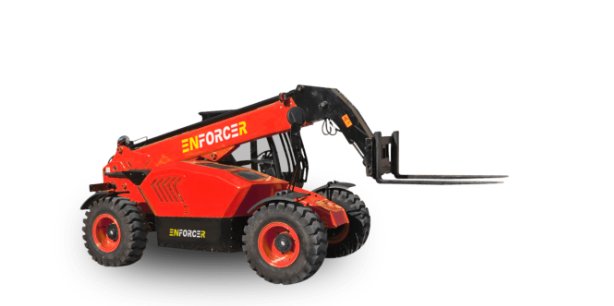
Most buyers compare listings side by side, checking specifications and photos, then wonder why the machine that looked identical to another performs so differently once it’s actually working on site. A telehandler for sale in Melbourne rarely comes with the full picture visible in a standard listing, and this post gets into the details that genuinely separate a smart purchase from one that quietly disappoints within the first few months of ownership, long after the sale’s already been signed off.
Tyre Type Rarely Matches The Job
Foam-filled tyres resist punctures brilliantly on rough quarry or construction ground but ride noticeably harder and transmit more vibration through the operator seat during long shifts, while pneumatic tyres offer comfort suited to smoother yard work but puncture easily on debris-strewn sites. A machine purchased with the wrong tyre configuration for its intended work often gets re-tyred within the first year, an expense nobody budgeted for during the original purchase decision. Buyers who specify their actual working surface before viewing machines avoid inheriting someone else’s mismatched setup from a completely different industry.
Auction Machines Hide Real Risk
Ex-government and ex-fleet auction listings often show an appealing hour count, yet auction catalogues rarely separate genuine working hours from idle running time, and machines sitting unused between auction and sale can develop issues that a simple number on a dash never reveals. A telehandler for sale in Melbourne through an auction house typically comes without the maintenance documentation a dealer sale would include, meaning buyers inherit whatever condition exists without recourse if problems surface soon after purchase. That absence of paper trail is the trade-off buyers accept chasing an attractively low auction price.
Certification Tags Get Overlooked
Rollover protective structure and falling object protective structure certification tags, fitted to every compliant telehandler cabin, sometimes go missing or become illegible on older machines through years of weathering and repainting. A machine without a legible, verifiable certification tag creates genuine problems during workplace safety audits, since inspectors expect to see that structural compliance is confirmed rather than simply assumed based on the cabin’s appearance. Buyers who check for this tag specifically, rather than assuming a sturdy-looking cabin implies certification, avoid a compliance gap that surfaces awkwardly during an unrelated site inspection months later.
End Of Financial Year Shifts Supply
Larger hire fleets across Melbourne regularly cycle out older stock around the end of the financial year, creating a temporary surge of ex-hire machines entering the resale market with genuinely thorough maintenance records behind them. Telehandler for sale in Melbourne buyers who time their search around this period often find considerably better-documented machines than what’s typically available the rest of the year, since fleet operators maintain their equipment to a standard private sellers rarely match. Missing this window means competing for the same limited stock available during quieter months instead.
Counterweight Mismatches Cause Instability
A telehandler previously fitted with heavier specialist attachments sometimes carries a counterweight configuration calibrated for that specific setup, and swapping back to standard forks without reassessing balance can leave the machine handling awkwardly under load it should easily manage. Buyers assuming a used machine’s factory balance remains unchanged sometimes discover otherwise only once they’re working with different attachments themselves. Asking directly about a machine’s attachment history, not just its current configuration, reveals whether any counterweight adjustment happened somewhere along the way.
Telematics Gaps Affect Insurance
Larger operators increasingly require telematics data, location tracking, usage hours, and operator behaviour, as part of fleet insurance arrangements, and older telehandlers without factory-fitted systems need aftermarket retrofitting to meet that requirement. Buyers assuming any used machine will automatically satisfy a fleet insurer’s conditions sometimes discover the retrofit cost and installation delay only after purchase, when the insurance paperwork gets rejected. Checking insurer requirements before buying, rather than after, avoids a genuinely frustrating gap between what was purchased and what actually gets covered.
Final Thoughts
None of this comes down to picking whichever listing has the cleanest photos. A telehandler for sale in Melbourne needs proper scrutiny of tyre suitability, certification tags and attachment history before it genuinely earns its place as a sound purchase. Buyers who dig past the surface listing tend to avoid the quiet disappointments that only surface once a machine’s already working, precisely because they asked questions a standard listing was never going to answer.